Innovative Corporate Office Design Ideas by Studio Ground.ed
- steev ashly
- Sep 13, 2025
- 5 min read

In today's fast-paced business world, the design of corporate offices plays a crucial role in shaping company culture and employee productivity. A well-designed office can inspire creativity, enhance collaboration, and improve overall job satisfaction. Studio Ground.ed has been at the forefront of innovative office design, creating spaces that are not only functional but also aesthetically pleasing. In this blog post, we will explore some of the most exciting corporate office design ideas that can transform any workspace into a hub of innovation and productivity.
Embracing Open Spaces
One of the most significant trends in corporate office design is the move towards open spaces. Open office layouts encourage collaboration and communication among employees. By removing physical barriers, companies can foster a sense of community and teamwork.
Flexible Workstations: Instead of traditional cubicles, consider using flexible workstations that can be easily reconfigured. This allows teams to adapt their workspace based on their current projects.
Common Areas: Incorporate common areas where employees can gather for informal meetings or brainstorming sessions. These spaces can include comfortable seating, whiteboards, and even coffee stations to create a relaxed atmosphere.
Open spaces not only enhance collaboration but also create a more inviting environment. Employees are more likely to engage with one another in a setting that feels less formal.
Biophilic Design
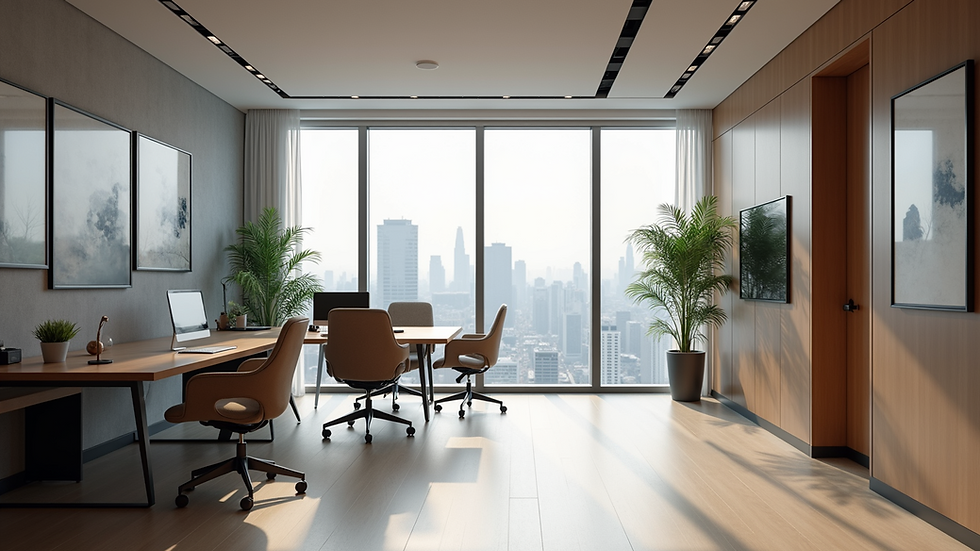
Biophilic design is all about connecting people with nature. This approach can significantly improve employee well-being and productivity. Incorporating natural elements into office design can create a calming atmosphere.
Indoor Plants: Adding greenery to the office can improve air quality and reduce stress. Consider using potted plants, vertical gardens, or even living walls to bring nature indoors.
Natural Light: Maximize natural light by using large windows or skylights. Natural light has been shown to boost mood and energy levels, making it an essential element in office design.
Natural Materials: Use materials like wood, stone, and bamboo to create a warm and inviting space. These materials can help create a connection to the outdoors, enhancing the overall aesthetic of the office.
By integrating biophilic design elements, companies can create a healthier and more enjoyable work environment.
Creative Meeting Spaces
Meetings are a vital part of any business, and the design of meeting spaces can greatly impact their effectiveness. Creative meeting spaces can inspire innovative thinking and collaboration.
Themed Rooms: Consider designing meeting rooms with specific themes that reflect your company culture. For example, a room inspired by a beach can create a relaxed atmosphere, while a tech-themed room can inspire creativity.
Collaborative Tools: Equip meeting spaces with collaborative tools such as smart boards, video conferencing equipment, and comfortable seating. This ensures that meetings are productive and engaging.
Breakout Areas: Create breakout areas adjacent to meeting rooms where teams can regroup and brainstorm after discussions. These spaces can be equipped with comfortable seating and whiteboards for jotting down ideas.
By designing creative meeting spaces, companies can enhance collaboration and make meetings more enjoyable.
Incorporating Technology
In today's digital age, technology plays a crucial role in office design. Integrating the latest technology can streamline operations and improve employee efficiency.
Smart Office Solutions: Implement smart office solutions that allow employees to control lighting, temperature, and even booking meeting rooms through their smartphones. This can create a more comfortable and efficient work environment.
Virtual Reality: Consider using virtual reality for training and onboarding new employees. This innovative approach can provide immersive experiences that enhance learning.
Interactive Displays: Use interactive displays in common areas to share company news, project updates, or even employee achievements. This can foster a sense of community and keep everyone informed.
By incorporating technology into office design, companies can create a modern and efficient workspace.
Personalization and Branding
A corporate office should reflect the company's brand and values. Personalizing the workspace can create a sense of ownership among employees and enhance company culture.
Brand Colors and Logos: Use brand colors and logos throughout the office design. This can include wall art, furniture, and even office supplies. A cohesive design can reinforce brand identity.
Employee Input: Involve employees in the design process by seeking their input on office layout and decor. This can create a sense of belonging and ensure that the space meets their needs.
Personal Workspaces: Allow employees to personalize their workspaces with photos, plants, or other personal items. This can create a more comfortable and inviting environment.
By focusing on personalization and branding, companies can create a workspace that resonates with employees and reflects their values.
Sustainability in Office Design
Sustainability is becoming increasingly important in corporate office design. Companies are looking for ways to reduce their environmental impact while creating functional workspaces.
Eco-Friendly Materials: Use sustainable materials such as recycled wood, low-VOC paints, and energy-efficient lighting. This not only reduces environmental impact but also creates a healthier workspace.
Energy Efficiency: Implement energy-efficient systems such as LED lighting and smart thermostats. These systems can help reduce energy consumption and lower utility costs.
Waste Reduction: Create a waste reduction plan that includes recycling and composting programs. This can encourage employees to be more environmentally conscious.
By prioritizing sustainability, companies can create a positive impact on the environment while enhancing their corporate image.
Wellness-Focused Design
Employee wellness is a top priority for many companies today. Designing a workspace that promotes health and well-being can lead to happier and more productive employees.
Fitness Areas: Consider incorporating fitness areas or wellness rooms where employees can take breaks to exercise or meditate. This can help reduce stress and improve overall well-being.
Ergonomic Furniture: Invest in ergonomic furniture that supports good posture and reduces the risk of injury. This can include adjustable desks, supportive chairs, and standing workstations.
Quiet Zones: Create quiet zones where employees can retreat for focused work or relaxation. These spaces can be equipped with comfortable seating and calming decor.
By focusing on wellness in office design, companies can create a supportive environment that prioritizes employee health.
The Future of Office Design
As the world continues to evolve, so does the concept of office design. The future of corporate offices will likely focus on flexibility, technology, and employee well-being.
Hybrid Workspaces: With the rise of remote work, companies may need to create hybrid workspaces that accommodate both in-office and remote employees. This could include flexible seating arrangements and technology that supports virtual collaboration.
Adaptable Spaces: The ability to adapt spaces for different functions will be crucial. Companies may need to invest in movable walls and furniture that can be easily reconfigured.
Focus on Community: The future of office design will likely emphasize community and connection. Creating spaces that encourage social interaction will be essential for fostering a positive company culture.
By staying ahead of these trends, companies can create innovative office designs that meet the needs of their employees and the demands of the future.
Final Thoughts
Innovative corporate office design is more than just aesthetics; it is about creating spaces that enhance productivity, foster collaboration, and promote employee well-being. By embracing open spaces, biophilic design, and technology, companies can transform their work environments into hubs of creativity and innovation.
As we look to the future, it is essential to prioritize flexibility, sustainability, and wellness in office design. By doing so, companies can create workspaces that not only reflect their brand but also support their most valuable asset: their employees.


Comments